Taking care of your health involves more than addressing a concern when it appears. Everyday habits, nutrition, movement, rest, emotional well-being, and regular professional guidance can all contribute to how you feel.
A wellness clinic can provide a comfortable setting where people can focus on different aspects of their well-being while receiving guidance suited to their individual needs.
Understanding Holistic Care
Holistic care looks at the person as a whole rather than focusing on only one aspect of health.
Physical well-being, emotional balance, lifestyle, sleep, nutrition, and daily habits may all be considered when discussing a person’s needs.
This approach can help individuals become more aware of how different parts of their lifestyle are connected.
What Can You Expect?
A visit may begin with a conversation about your concerns, routine, and general well-being. The professional may ask questions to better understand your situation before suggesting an appropriate approach.
The recommendations can vary from person to person. Some may benefit from guidance around daily habits, while others may explore specific services or traditional practices.
Having an open discussion before beginning any treatment can help ensure that expectations are clear.
Combining Traditional and Modern Approaches
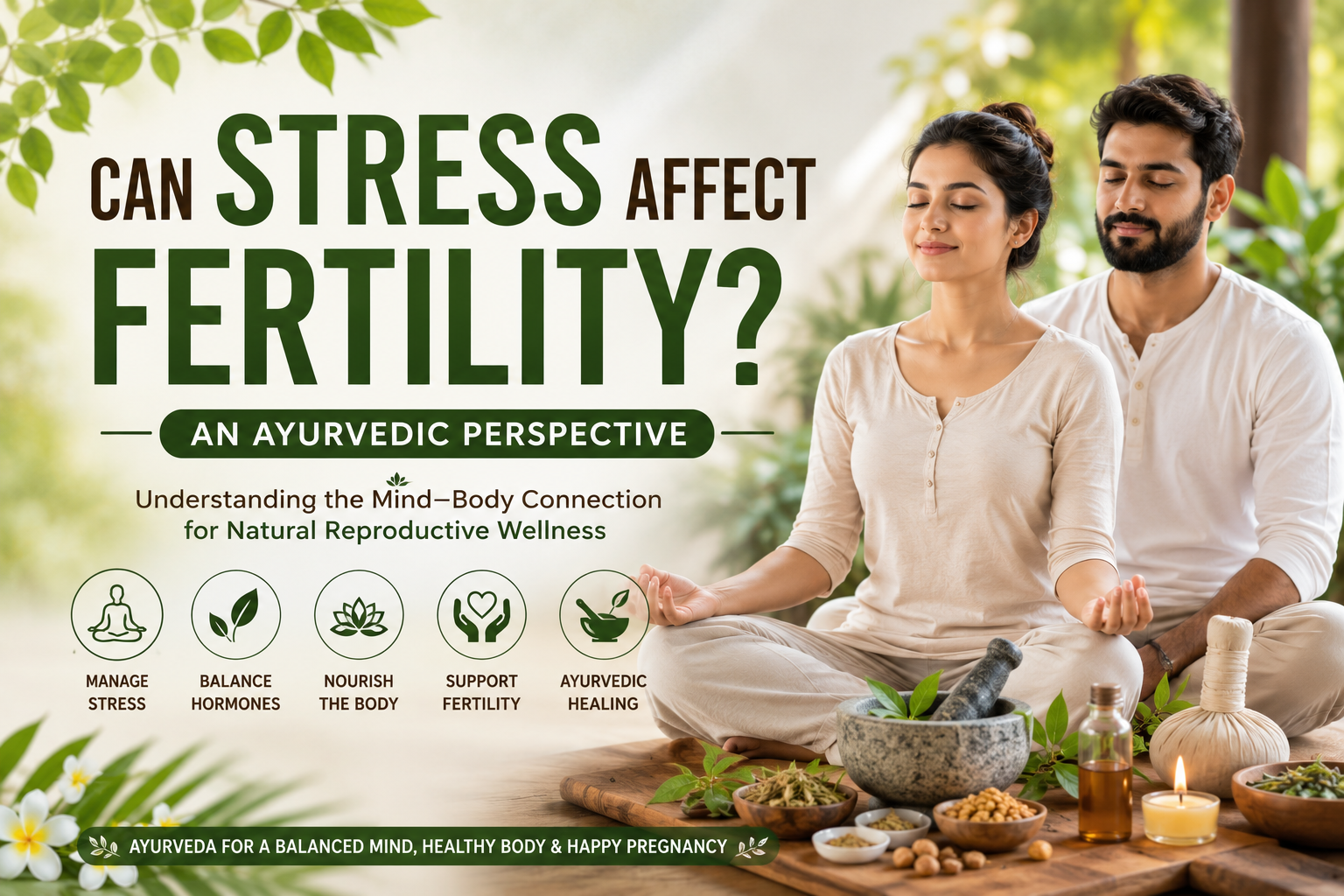
Some people are interested in traditional practices, while others prefer approaches based on modern healthcare. Depending on the services available, these approaches may be considered alongside one another.
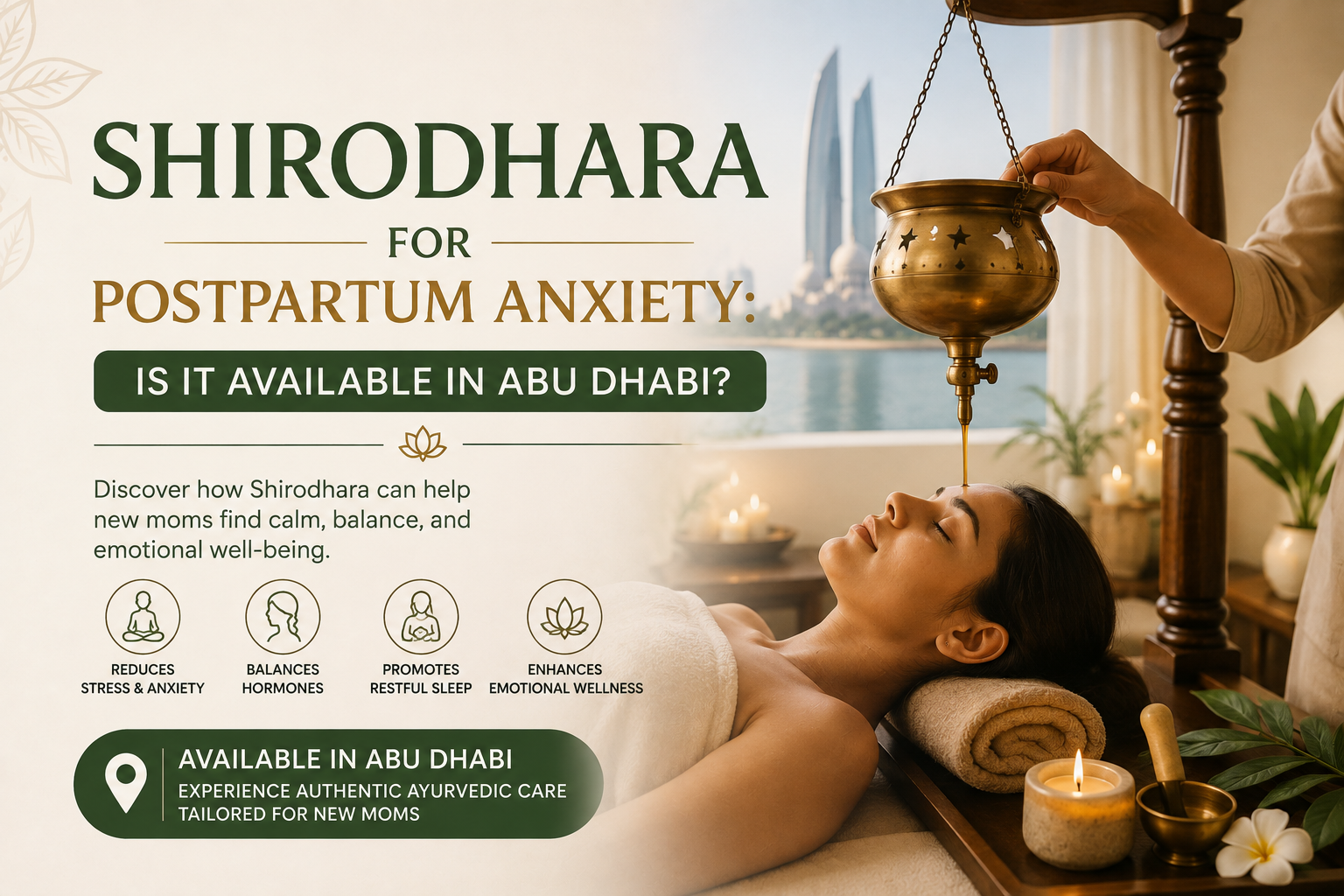
Traditional therapies can provide an additional option for relaxation and personal care, while modern medical services can address specific health needs.
It is important to understand the purpose of any treatment and discuss relevant health conditions or medications beforehand.
The Role of Nutrition
Food is closely connected with everyday well-being. Eating regular, balanced meals and staying adequately hydrated can support energy and general health.
Individual nutritional needs can vary depending on age, lifestyle, activity levels, and other circumstances.
Rather than following strict rules, a practical approach is to develop eating habits that are enjoyable, realistic, and sustainable.
Movement and Physical Activity
Regular movement can be an important part of maintaining a healthy lifestyle.
The right type and amount of activity depends on the individual. Walking, stretching, yoga, strength exercises, or other activities may be suitable depending on personal preferences and physical condition.
Anyone recovering from an illness, injury, surgery, or other health concern should seek appropriate advice before changing their activity level.
Rest and Mental Well-Being
A busy lifestyle can make it easy to overlook rest. Work, family responsibilities, and constant digital activity may leave little time to slow down.
Adequate sleep and regular periods of relaxation are important parts of a balanced routine.
Simple practices such as spending time outdoors, reading, breathing exercises, meditation, or taking a break from screens can provide opportunities to unwind.
Personalized Attention
No two people have exactly the same lifestyle or needs.
Personalized attention allows recommendations to take individual circumstances into account. A person’s routine, preferences, concerns, and comfort can all influence the approach that is chosen.
Being able to ask questions and discuss concerns openly can also make the experience more comfortable.
Choosing the Right Environment
The surroundings can influence how comfortable someone feels during a visit.
A clean environment, respectful staff, clear communication, and well-organized services can contribute to a positive experience.
Before choosing a service, it can be useful to understand what is involved, how long it may take, what preparation is required, and whether there are any precautions.
Making Wellness Part of Everyday Life
Wellness does not have to depend entirely on appointments.
The habits followed at home are equally important. Regular sleep, balanced meals, physical activity, hydration, personal care, and time for relaxation can all become part of a sustainable routine.
Small changes are often easier to maintain than major lifestyle adjustments.
When Professional Advice Is Important
Wellness services can support personal care, but they should not replace necessary medical attention.
If you have persistent symptoms, an existing medical condition, or concerns about your physical or emotional health, speak with an appropriate healthcare professional.
It is also important to mention any medications, allergies, pregnancy, recent procedures, or other relevant circumstances before beginning a new treatment.
Final Thoughts
A thoughtful approach to wellness involves looking at everyday life as a whole. Nutrition, movement, rest, emotional well-being, personal habits, and professional guidance can all have a place.
A wellness clinic can provide an environment where people take time to focus on themselves and explore approaches that suit their individual circumstances.
The goal does not need to be perfection. Building realistic habits, listening to your body, taking time to rest, and seeking appropriate support when needed can help create a healthier and more balanced way of living.