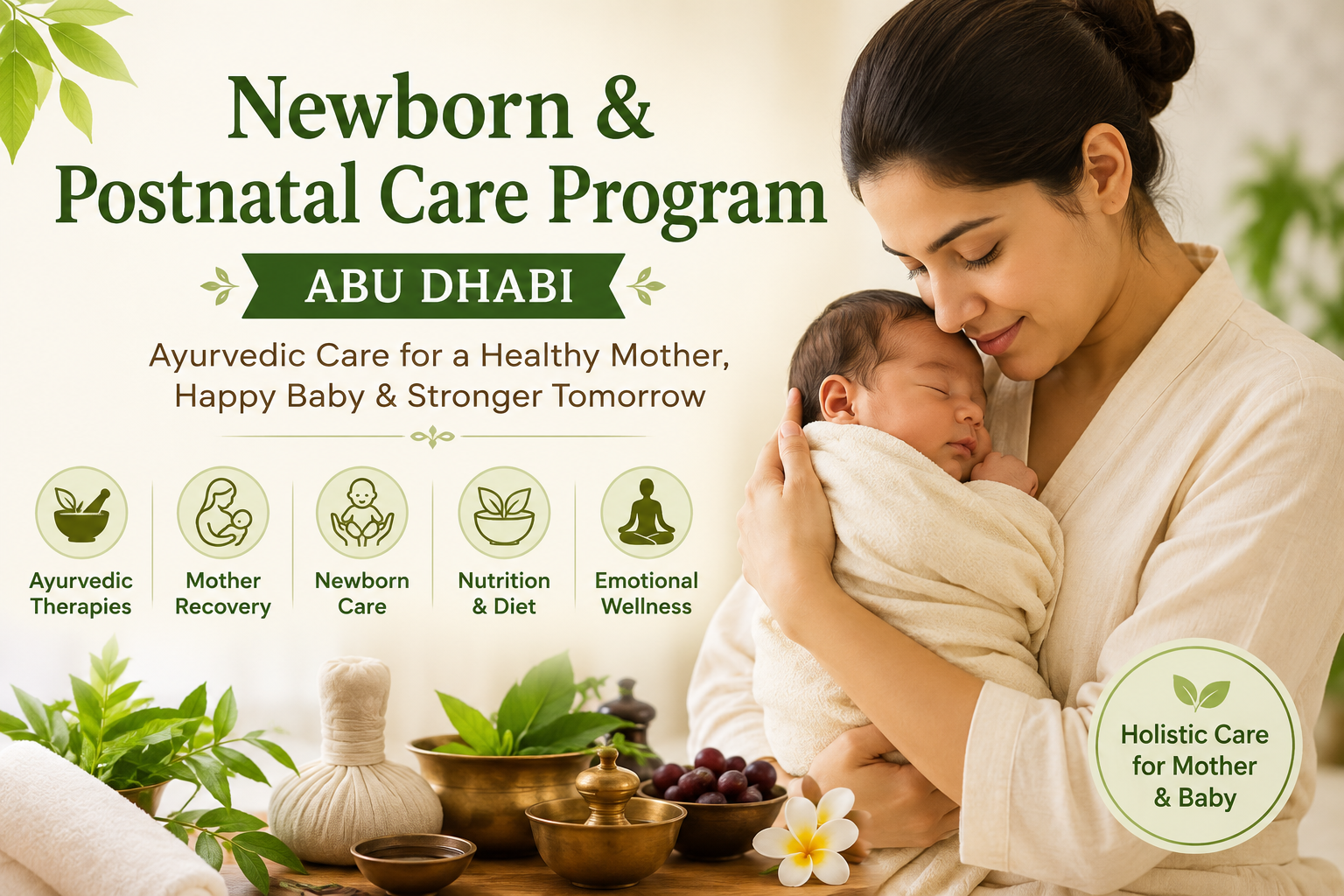
The first few weeks after childbirth are an important time for a mother to rest, recover, and adjust to her new routine. In Ayurveda, this period is traditionally known as Sutika Kala and is often associated with the first 42 days after delivery.
Rather than expecting the mother to quickly return to her usual activities, this period places emphasis on patience, nourishment, rest, and support.
What Is Sutika Kala?
Sutika Kala refers to the time following childbirth when the mother’s body is gradually recovering from pregnancy and delivery. It is considered a period that deserves particular attention because many physical and emotional changes take place during these early weeks.
The traditional approach encourages the mother to take things slowly and avoid unnecessary strain while she regains her strength.
Why Are the First 42 Days Important?
The 42-day period provides a simple traditional framework for focusing on recovery. During this time, a mother may experience changes in sleep, appetite, energy, emotions, and daily routine.
Having enough time to rest can make the transition easier. Support from family members can also reduce the pressure of household responsibilities and allow the mother to concentrate more on herself and her baby.
The 42 days should not be viewed as a fixed recovery deadline. Every woman’s experience is different, and some may need more time before feeling completely comfortable with their usual routine.
Food and Rest
Traditional postpartum routines often place importance on warm, nourishing meals that are comfortable to digest. Regular meals and sufficient fluids can support general well-being during recovery.
Rest is equally important. With a newborn requiring frequent attention, uninterrupted sleep may not always be possible. Sharing responsibilities with a partner, family member, or trusted caregiver can give the mother opportunities to recover between daily tasks.
Gentle Care
The postpartum period is generally approached gradually. Activities can be introduced according to how the mother feels and how her recovery is progressing.
Traditional practices may include gentle personal care and oil-based routines. However, the suitability of any treatment depends on the individual’s condition, delivery experience, and recovery.
Those recovering from a C-section or experiencing other concerns should seek appropriate guidance before beginning additional treatments.
Emotional Support
Recovery after childbirth is not only physical. A new mother may experience many different emotions while adjusting to changes in her life.
Having someone to talk to, receiving practical help, and being able to express concerns without judgment can be very helpful.
If feelings of sadness, anxiety, fear, or distress become persistent or interfere with everyday life, professional support should be sought.
Every Mother Is Different
There is no single routine that works for everyone. The mother’s delivery, physical condition, lifestyle, breastfeeding, sleep, and overall well-being can all influence what is appropriate.
Sutika Kala can therefore be understood as a period of care and recovery rather than a strict set of rules. Traditional practices can be adapted to suit individual circumstances while following appropriate medical advice.
Final Thoughts
Sutika Kala highlights the importance of giving a mother time to recover after childbirth. Rest, nourishing food, gentle routines, emotional support, and help from others can make these early weeks more manageable.
The 42-day period is best viewed as an opportunity to slow down and focus on recovery rather than as a deadline. With patience and appropriate support, a mother can gradually find her rhythm while caring for herself and her baby.