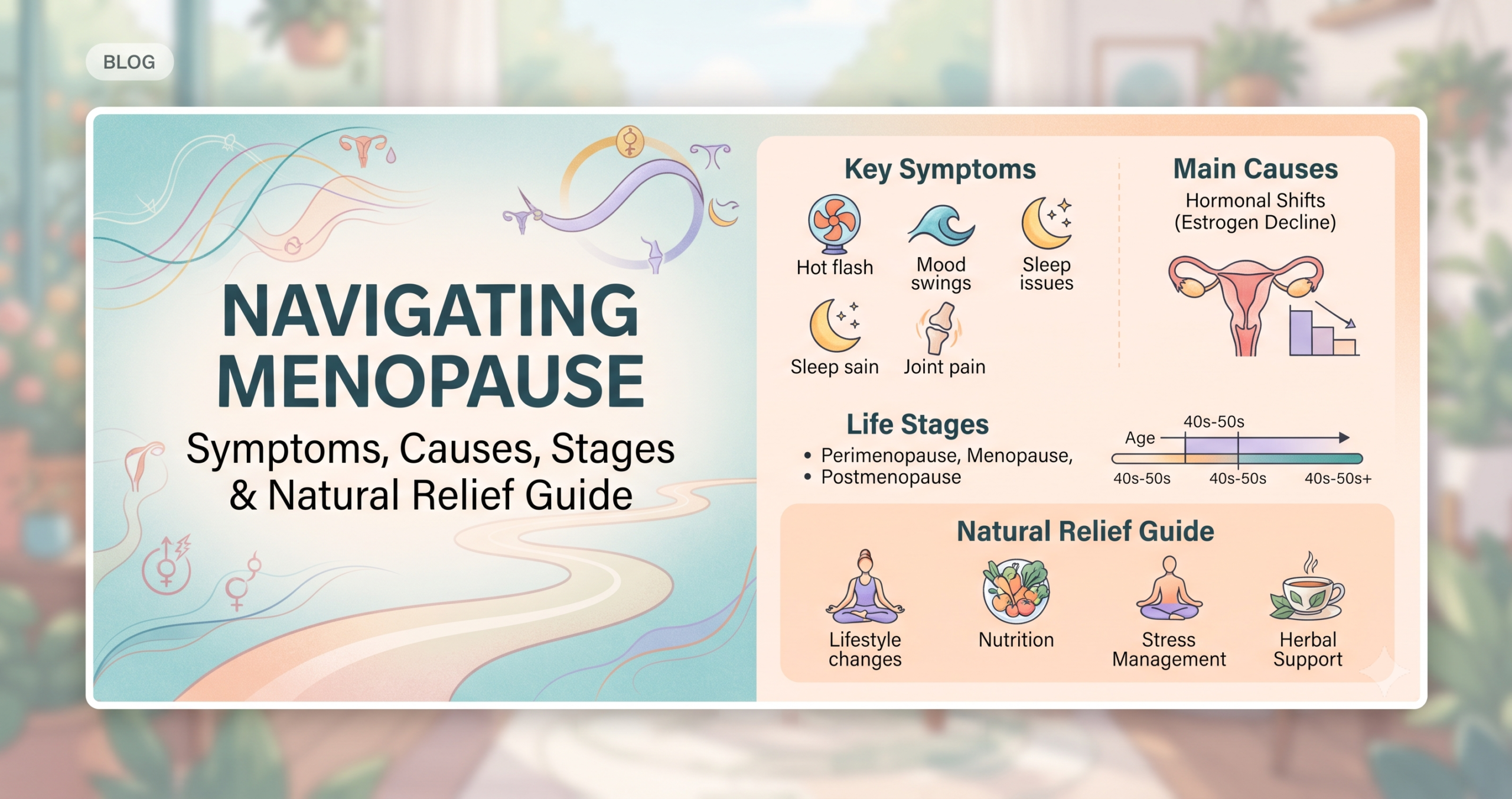
Menopause is a natural biological phase that marks the end of a woman’s reproductive years. While it is a normal part of aging, menopause can bring significant physical, emotional, and hormonal changes that affect everyday life. Understanding what happens during menopause and how to manage its symptoms can help women transition into this new stage with confidence and better health.
Millions of women worldwide experience menopause every year, yet many remain unaware of what to expect. From hot flashes and night sweats to mood swings, sleep disturbances, and bone health concerns, menopause affects every woman differently.
In this comprehensive guide, we’ll explore everything you need to know about menopause, including its stages, symptoms, causes, diagnosis, treatment options, lifestyle modifications, and natural approaches for long-term wellness.
What Is Menopause?
Menopause is officially diagnosed when a woman has gone 12 consecutive months without a menstrual period, provided there is no other medical reason for the absence of menstruation.
It represents the permanent end of ovarian function, meaning the ovaries stop releasing eggs and produce significantly lower amounts of estrogen and progesterone.
Most women experience menopause between the ages of 45 and 55, with the average age being around 51 years.
Although menopause is a natural process, the hormonal changes involved can produce symptoms that vary from mild to severe.
The Three Stages of Menopause
1. Perimenopause
Perimenopause is the transition period before menopause.
During this phase:
- Estrogen levels fluctuate
- Menstrual cycles become irregular
- Ovulation becomes unpredictable
- Symptoms gradually appear
This stage may last 4–10 years.
Common symptoms include:
- Irregular periods
- Mood changes
- Hot flashes
- Sleep disturbances
- Breast tenderness
- Fatigue
2. Menopause
Menopause occurs after 12 months without menstruation.
At this stage:
- Ovaries stop releasing eggs
- Estrogen production decreases significantly
- Fertility ends naturally
Symptoms often become more noticeable during this period.
3. Postmenopause
Postmenopause begins after menopause and continues for the rest of a woman’s life.
Although hot flashes may gradually reduce, women remain at increased risk of:
- Osteoporosis
- Cardiovascular disease
- Vaginal dryness
- Urinary issues
Long-term health maintenance becomes especially important.
Common Symptoms of Menopause
Every woman experiences menopause differently.
The most common symptoms include:
Hot Flashes
A sudden feeling of warmth spreading across the face, neck, and chest.
Hot flashes may last:
- 30 seconds
- Several minutes
- Occasionally longer
Night Sweats
Night sweats are hot flashes occurring during sleep.
They often cause:
- Interrupted sleep
- Fatigue
- Daytime tiredness
Irregular Menstrual Cycles
Periods may become:
- Shorter
- Longer
- Heavier
- Lighter
- Completely unpredictable
Mood Swings
Hormonal fluctuations affect emotional wellbeing.
Women may experience:
- Irritability
- Anxiety
- Depression
- Emotional sensitivity
Sleep Problems
Many women struggle with:
- Difficulty falling asleep
- Frequent waking
- Poor sleep quality
Vaginal Dryness
Reduced estrogen causes thinning and dryness of vaginal tissues, leading to:
- Discomfort
- Pain during intercourse
- Increased infections
Reduced Libido
Hormonal changes may reduce sexual desire.
This may result from:
- Vaginal discomfort
- Fatigue
- Emotional changes
Weight Gain
Many women notice:
- Increased abdominal fat
- Slower metabolism
- Reduced muscle mass
Joint Pain
Hormonal decline may contribute to:
- Stiffness
- Muscle aches
- Joint discomfort
Memory Problems
Some women experience:
- Brain fog
- Difficulty concentrating
- Forgetfulness
Causes of Menopause
The primary cause is the natural decline in reproductive hormones.
Other causes include:
Natural Aging
The ovaries gradually produce less estrogen and progesterone.
Surgical Menopause
Removal of both ovaries causes immediate menopause.
Cancer Treatments
Chemotherapy and pelvic radiation may trigger menopause earlier than expected.
Primary Ovarian Insufficiency
Some women experience menopause before age 40 due to ovarian failure.
Risk Factors
Certain factors increase the likelihood of earlier menopause:
- Smoking
- Family history
- Autoimmune disorders
- Certain genetic conditions
- Cancer treatment
- Ovarian surgery
How Menopause Is Diagnosed
Doctors usually diagnose menopause based on:
Medical History
Discussion about symptoms and menstrual changes.
Physical Examination
General health evaluation.
Hormone Tests
Sometimes blood tests measure:
- FSH
- Estrogen
- Thyroid hormones
Testing is not always necessary unless menopause occurs unusually early.
Health Risks After Menopause
Lower estrogen levels increase several long-term health risks.
Osteoporosis
Bone density decreases significantly.
This increases the likelihood of:
- Fractures
- Spine problems
- Hip fractures
Heart Disease
Estrogen protects blood vessels.
After menopause, women have increased risks of:
- High blood pressure
- Heart attack
- Stroke
Urinary Problems
Reduced estrogen weakens urinary tissues.
Possible symptoms include:
- Frequent urination
- Urinary leakage
- Recurrent infections
Weight Gain
Metabolism slows naturally with age.
Healthy nutrition and exercise become essential.
Conventional Treatment Options
Treatment depends on symptom severity.
Hormone Replacement Therapy (HRT)
HRT replaces estrogen or a combination of estrogen and progesterone.
Benefits include:
- Reduced hot flashes
- Better sleep
- Improved vaginal health
- Bone protection
However, HRT is not suitable for everyone.
Doctors evaluate:
- Personal health history
- Family history
- Cardiovascular risks
Non-Hormonal Medications
Certain medications help relieve:
- Hot flashes
- Mood disorders
- Sleep disturbances
Vaginal Estrogen Therapy
Local estrogen creams or tablets help relieve:
- Dryness
- Pain
- Urinary discomfort
Lifestyle Changes That Help During Menopause
Healthy daily habits can greatly improve quality of life.
Eat a Balanced Diet
Focus on:
- Fresh vegetables
- Fruits
- Whole grains
- Lean protein
- Healthy fats
Include calcium-rich foods like:
- Milk
- Yogurt
- Cheese
- Leafy greens
Stay Active
Exercise helps:
- Reduce stress
- Maintain healthy weight
- Improve sleep
- Protect bones
Aim for:
- Walking
- Swimming
- Strength training
- Yoga
Improve Sleep
Maintain healthy sleep habits by:
- Sleeping at consistent times
- Avoiding caffeine before bed
- Keeping the bedroom cool
Manage Stress
Stress worsens menopausal symptoms.
Helpful activities include:
- Meditation
- Deep breathing
- Nature walks
- Journaling
Stay Hydrated
Adequate water intake may reduce:
- Dry skin
- Fatigue
- Bloating
Natural Ways to Support Menopause
Many women seek natural approaches to complement medical care.
These may include:
- Herbal support
- Mind-body practices
- Gentle exercise
- Nutrient-rich diets
- Relaxation techniques
Always consult a qualified healthcare provider before starting herbal supplements.
Women seeking the best ayurvedic treatment in abu dhabi often explore individualized wellness programs that combine traditional Ayurvedic principles with modern lifestyle guidance for holistic menopausal support.
Ayurveda and Menopause
According to Ayurveda, menopause represents a natural transition involving changes in the body’s doshas.
Management focuses on maintaining balance through:
- Personalized nutrition
- Daily routines
- Oil therapies
- Yoga
- Meditation
- Herbal formulations prescribed by qualified practitioners
Ayurveda emphasizes supporting the body rather than simply addressing individual symptoms.
Foods That May Help During Menopause
Nutritious foods can support hormonal balance and overall wellbeing.
Recommended foods include:
Calcium Sources
- Milk
- Yogurt
- Cheese
- Sesame seeds
Vitamin D Sources
- Fortified foods
- Fatty fish
- Sunlight exposure
Protein
- Lentils
- Beans
- Eggs
- Chicken
- Fish
Healthy Fats
- Avocados
- Nuts
- Seeds
- Olive oil
Fiber
- Fruits
- Vegetables
- Whole grains
Foods to Limit
Reducing certain foods may ease symptoms.
Limit:
- Sugary drinks
- Processed foods
- Alcohol
- Excess caffeine
- Highly spicy meals
- High-sodium foods
Exercise Recommendations
Exercise remains one of the most effective ways to improve menopausal health.
Walking
Supports cardiovascular health.
Yoga
Improves flexibility and relaxation.
Resistance Training
Maintains muscle mass and bone density.
Stretching
Reduces stiffness.
Swimming
Gentle on joints while improving fitness.
Emotional Wellbeing During Menopause
Mental health deserves equal attention.
Helpful strategies include:
- Talking openly with family
- Joining support groups
- Counseling if needed
- Practicing mindfulness
- Maintaining hobbies
- Staying socially connected
Emotional support can significantly improve quality of life.
Can Menopause Affect Skin and Hair?
Yes.
Lower estrogen may cause:
Skin Changes
- Dryness
- Wrinkles
- Reduced elasticity
Hair Changes
- Hair thinning
- Increased shedding
- Reduced volume
Using gentle skincare products, staying hydrated, and maintaining a healthy diet may help.
Menopause and Bone Health
Bone protection becomes increasingly important.
Recommendations include:
- Calcium-rich diet
- Vitamin D
- Weight-bearing exercise
- Bone density screening
- Avoid smoking
- Limit alcohol
Menopause and Heart Health
Heart disease risk increases after menopause.
Healthy habits include:
- Blood pressure monitoring
- Cholesterol checks
- Regular exercise
- Healthy eating
- Weight management
- Regular medical checkups
When to Consult a Doctor
Seek medical advice if you experience:
- Heavy bleeding
- Bleeding after menopause
- Severe depression
- Persistent pelvic pain
- Severe hot flashes affecting daily life
- Unexplained weight loss
- Frequent urinary infections
Early evaluation helps identify underlying conditions and appropriate treatment.
Conclusion
Menopause is a significant life transition, but it does not have to diminish your quality of life. Understanding the hormonal changes, recognizing symptoms early, and adopting healthy lifestyle habits can make this stage much more manageable. Whether through balanced nutrition, regular physical activity, stress management, conventional medical care, or evidence-informed complementary approaches, women have many options to support their health during and after menopause.
Regular check-ups, personalized medical advice, and proactive self-care are key to maintaining physical, emotional, and long-term wellness. With the right support and knowledge, menopause can become an opportunity to focus on lifelong health, strength, and overall well-being.