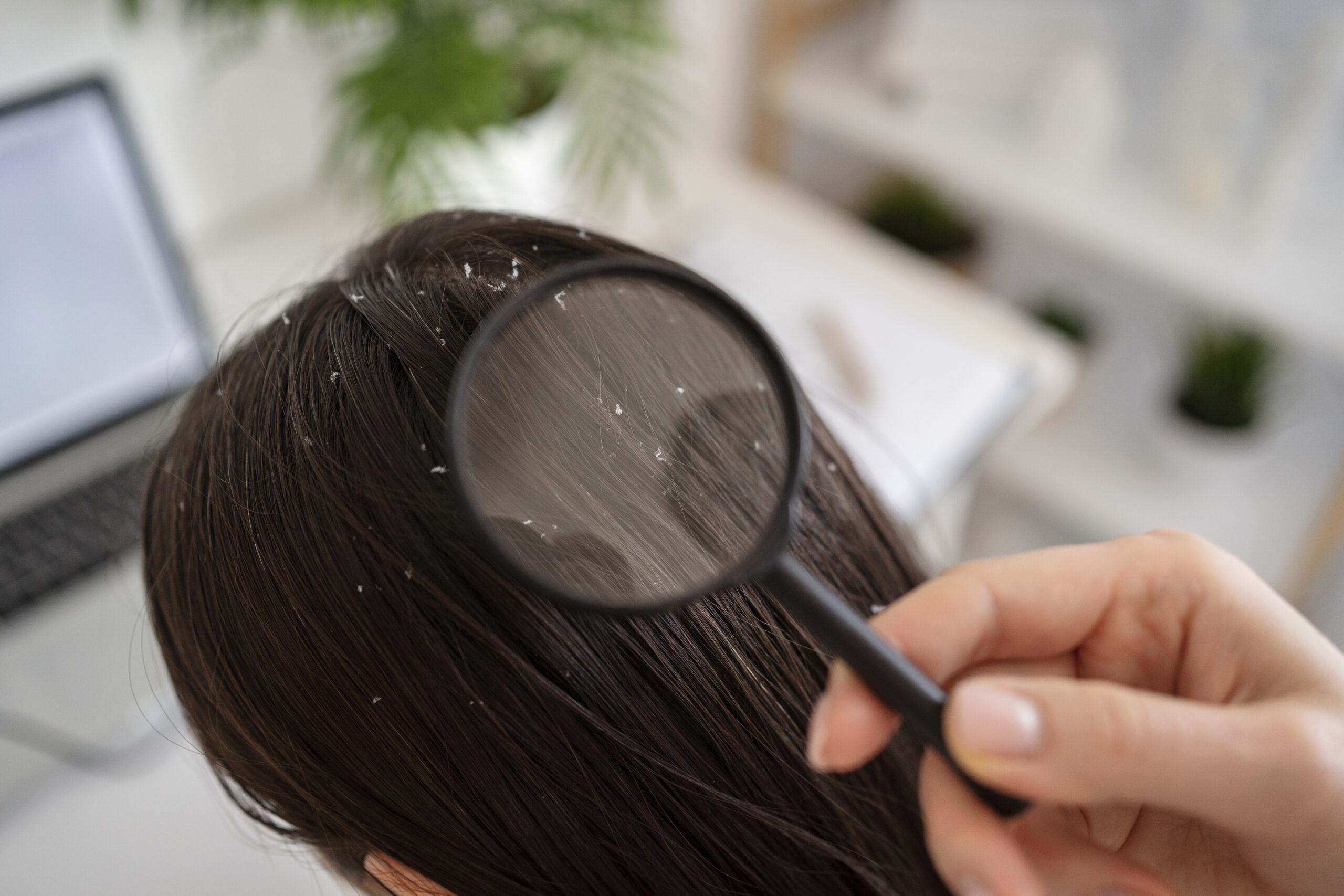
Dandruff is a common scalp concern that can cause visible flakes, dryness, itching, and discomfort. It can appear from time to time or become a recurring issue, depending on the individual and the condition of the scalp.
Taking care of the scalp regularly and understanding what may be contributing to the problem can help create a healthier routine.
Understanding Dandruff
Dandruff can occur when the scalp becomes irritated or when the natural shedding of skin cells becomes more noticeable.
Some people may experience small, dry flakes, while others may notice larger or slightly oily flakes accompanied by itching.
The condition can sometimes become more noticeable during periods of stress, changes in weather, or when the scalp is not responding well to certain hair products.
Common Causes
There can be several reasons why someone develops flakes.
Dryness, excess oil, sensitivity to hair products, changes in scalp condition, and certain skin conditions can all play a role.
Using products that are too harsh or washing the hair too frequently may also cause irritation for some people.
Identifying what affects your scalp can make it easier to develop a suitable routine.
Caring for the Scalp
Keeping the scalp clean is an important part of everyday care. However, excessive washing or aggressive scrubbing may cause additional irritation.
Using products that feel comfortable and avoiding unnecessary scratching can help protect the scalp.
It is also useful to keep combs, brushes, pillowcases, and other items that come into contact with the scalp clean.
Traditional Approaches
Traditional Ayurvedic practices may include oil applications, herbal preparations, and gentle scalp care.
The ingredients and methods used can vary depending on the individual and the approach being followed.
Natural ingredients should still be used carefully. A plant-based preparation can cause irritation or an allergic reaction in some people, so it is sensible to understand what is being applied before using it.
Lifestyle and Everyday Habits
Daily habits can influence general skin and scalp health.
Adequate rest, balanced meals, sufficient hydration, and managing everyday stress can support overall well-being.
These habits do not necessarily resolve every scalp concern, but they can form part of a consistent personal-care routine.
Avoiding Unnecessary Irritation
Scratching the scalp may provide temporary relief from itching but can sometimes make irritation worse.
Strong chemical products, excessive heat, and frequent styling may also be uncomfortable for some people.
If a particular product consistently causes itching, redness, or discomfort, consider stopping its use and discussing the reaction with an appropriate professional.
When to Seek Professional Advice
Occasional flaking may be manageable with simple care, but persistent or severe symptoms should not be ignored.
If the scalp becomes very itchy, painful, inflamed, develops sores, or continues to worsen despite regular care, professional assessment may be appropriate.
Hair loss occurring alongside significant scalp changes should also be discussed with a qualified healthcare professional.
Finding a Suitable Approach
There is no single routine that works for every scalp.
The right approach may depend on whether the scalp is dry, oily, sensitive, or affected by another underlying condition.
A professional assessment can help identify the nature of the problem and determine whether a particular treatment or routine is appropriate.
Final Thoughts
Dandruff can be an occasional inconvenience or a recurring source of discomfort. Gentle scalp care, suitable products, regular hygiene, and attention to lifestyle can all form part of managing it.
Traditional practices may also be considered when appropriate, but persistent symptoms deserve proper professional attention.
The most useful approach is one that takes the condition of your scalp into account rather than relying on a routine simply because it worked for someone else.