Introduction
Healthy skin is more than a reflection of beauty—it is an indicator of overall well-being. In today’s fast-paced lifestyle, exposure to pollution, unhealthy dietary habits, stress, hormonal imbalances, and environmental changes has led to a significant increase in skin disorders. Conditions such as acne, eczema, psoriasis, pigmentation, fungal infections, dermatitis, and chronic allergies affect people of all ages and often reduce confidence and quality of life.
While modern medicine offers various treatments to control symptoms, many individuals seek holistic therapies that address the root cause rather than providing temporary relief. Ayurveda, the ancient Indian system of medicine with a history spanning over 5,000 years, has become a trusted choice for natural skin healing. Its comprehensive approach focuses on balancing the body’s internal systems, improving digestion, eliminating toxins, and strengthening immunity to promote healthier skin from within.
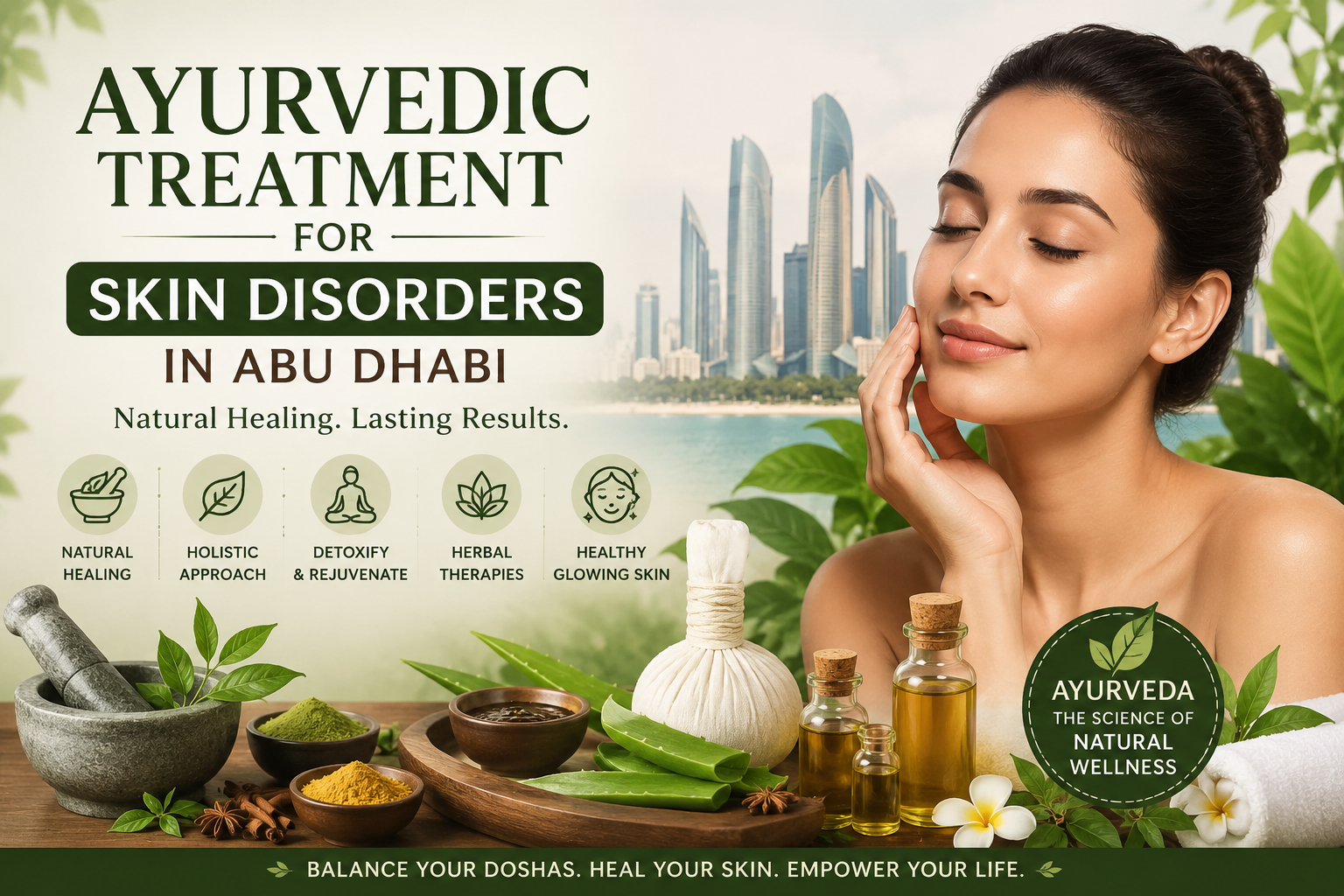
For individuals looking for Ayurvedic Treatment for Skin Disorders in Abu Dhabi, Ayurveda offers personalized treatment plans designed to suit each person’s unique body constitution and health condition. Instead of using a one-size-fits-all approach, Ayurvedic physicians assess lifestyle, dietary habits, stress levels, and dosha imbalances before recommending therapies, herbal medicines, detoxification procedures, and dietary modifications.
This holistic philosophy has contributed to Ayurveda’s growing popularity among residents seeking sustainable skin wellness without excessive dependence on synthetic medications. Whether dealing with persistent acne, chronic eczema, psoriasis, pigmentation, or recurrent skin infections, Ayurvedic treatment aims to restore the body’s natural balance while improving overall health.
Understanding Skin Health Through Ayurveda
According to Ayurveda, healthy skin reflects harmony between the body’s three doshas—Vata, Pitta, and Kapha. These biological energies regulate every physiological function. When they remain balanced, the body functions efficiently, and the skin appears healthy, hydrated, and radiant.
Each dosha influences the skin differently.
Vata Dosha
Vata governs movement and circulation throughout the body. When balanced, it supports soft, smooth, and naturally glowing skin. An aggravated Vata dosha often causes excessive dryness, rough texture, premature wrinkles, cracking, and dehydration.
Pitta Dosha
Pitta controls metabolism and body temperature. It is closely associated with inflammation and heat. Excess Pitta frequently leads to acne, redness, rashes, rosacea, excessive sensitivity, pigmentation, and inflammatory skin disorders.
Kapha Dosha
Kapha provides stability, lubrication, and moisture. Balanced Kapha results in supple, youthful skin, while excess Kapha may contribute to oily skin, enlarged pores, whiteheads, blackheads, cystic acne, and sluggish skin renewal.
Ayurvedic treatment begins by identifying which dosha or combination of doshas is responsible for the skin condition. This personalized diagnosis allows practitioners to recommend therapies specifically designed for the individual’s needs.
Why Skin Disorders Develop
Ayurveda believes that skin diseases rarely originate on the skin alone. Instead, they are often manifestations of deeper internal imbalances affecting digestion, metabolism, immunity, blood circulation, and toxin elimination.
Several factors contribute to chronic skin disorders.
Poor Digestion
Weak digestive fire, known as Agni, prevents food from being properly metabolized. Undigested food particles gradually transform into toxins called Ama, which circulate throughout the body and eventually affect the skin.
Blood Impurities
Impure blood is considered one of the major causes of chronic skin diseases. Ayurveda emphasizes blood purification using herbs, detoxification therapies, and dietary regulation to promote healthier skin.
Stress and Emotional Health
Mental stress significantly influences hormonal balance and immune function. Chronic stress often triggers acne breakouts, eczema flare-ups, psoriasis episodes, and allergic reactions. Ayurvedic practices such as meditation, breathing exercises, and yoga help calm the nervous system and support healthier skin.
Improper Diet
Frequent consumption of fried foods, processed sugar, excessive dairy products, refined carbohydrates, spicy foods, and carbonated beverages can aggravate dosha imbalance. Ayurveda encourages fresh, seasonal, and easily digestible meals to nourish both the body and skin.
Environmental Pollution
Dust, harsh sunlight, chemicals, and environmental pollutants damage the skin barrier, accelerate aging, and increase inflammation. Combining internal healing with external herbal therapies helps protect the skin from environmental stressors.
Common Skin Disorders Managed Through Ayurveda
Ayurvedic medicine has long been used to support individuals with a wide range of skin conditions. Treatment plans are personalized according to the severity of symptoms, dosha imbalance, age, and overall health.
Acne and Pimples
Acne develops due to excessive oil production, hormonal fluctuations, bacterial growth, inflammation, and blocked pores. Ayurveda approaches acne by improving digestion, purifying the blood, reducing inflammation, and supporting hormonal balance instead of focusing solely on topical applications.
Eczema
Eczema is characterized by itching, redness, dry patches, inflammation, and irritation. Ayurvedic therapies aim to restore moisture balance, strengthen the skin barrier, reduce inflammation, and improve immune function through internal and external treatments.
Psoriasis
Psoriasis is a chronic inflammatory skin condition marked by thick, scaly plaques and recurring flare-ups. Ayurvedic detoxification procedures, herbal medicines, dietary management, and stress reduction techniques work together to reduce symptom frequency and improve skin comfort.
Pigmentation and Uneven Skin Tone
Hyperpigmentation may result from hormonal changes, excessive sun exposure, aging, inflammation, or previous acne scars. Ayurveda focuses on balancing Pitta, improving liver function, purifying blood, and enhancing natural skin regeneration to support an even complexion.
Fungal and Allergic Skin Conditions
Recurring fungal infections and allergic reactions often indicate weakened immunity or toxin accumulation. Herbal preparations combined with dietary improvements help strengthen the body’s natural defense mechanisms while promoting healthier skin.
Ayurvedic Therapies That Promote Healthy Skin
One of the greatest strengths of Ayurveda is its individualized treatment approach. No two patients receive the same treatment because every person has a unique body constitution, medical history, and lifestyle. After evaluating the root cause of the skin disorder, an Ayurvedic physician creates a customized treatment plan that may include herbal medicines, detoxification therapies, external applications, dietary guidance, and lifestyle modifications.
Rather than masking symptoms, these therapies work together to improve internal health, strengthen immunity, and support the skin’s natural healing ability.
Panchakarma: Ayurvedic Detoxification for Skin Disorders
Panchakarma is one of Ayurveda’s most effective therapeutic approaches for chronic skin conditions. It is a comprehensive detoxification process that removes accumulated toxins from the body while restoring the balance of the doshas. Since many skin diseases are believed to result from toxin accumulation and impaired digestion, Panchakarma plays a vital role in long-term skin health.
The treatment is always performed under the supervision of a qualified Ayurvedic physician and is customized according to the patient’s condition.
Virechana
Virechana is a controlled cleansing therapy primarily used to eliminate excess Pitta dosha from the body. Since Pitta is associated with heat and inflammation, this therapy is often recommended for inflammatory skin disorders such as acne, psoriasis, eczema, and pigmentation. By cleansing the digestive system and supporting liver function, Virechana helps reduce internal toxins that contribute to recurring skin problems.
Abhyanga
Abhyanga is a therapeutic full-body massage performed using warm herbal oils selected according to the patient’s dosha. This treatment improves blood circulation, nourishes the skin, relieves stress, supports lymphatic drainage, and enhances overall skin vitality. Regular Abhyanga also helps improve skin texture and promotes natural hydration.
Swedana
Swedana, or herbal steam therapy, is usually performed after Abhyanga. The herbal steam opens the pores, encourages sweating, and assists in eliminating toxins through the skin. It also improves circulation and enhances the absorption of herbal oils used during massage.
Lepanam
Lepam refers to the application of herbal pastes directly onto affected skin areas. These preparations may help soothe irritation, reduce inflammation, cool excessive heat, and support skin healing naturally.
Powerful Ayurvedic Herbs for Skin Wellness
Ayurveda relies on carefully selected medicinal herbs that have been used for centuries to promote healthy skin. These herbs are chosen based on the patient’s dosha imbalance and the specific nature of the skin condition.
Neem
Neem is widely recognized for its cleansing and purifying properties. It supports healthy skin by helping reduce excess oil, maintaining skin hygiene, and promoting a balanced complexion. Neem is frequently included in herbal formulations designed for acne-prone and irritated skin.
Turmeric
Turmeric has long been valued in Ayurveda for its ability to support healthy inflammatory responses and promote skin healing. It contains natural compounds that help improve skin tone, reduce redness, and support overall skin health.
Manjistha
Manjistha is one of the most respected blood-purifying herbs in Ayurveda. It supports healthy circulation, assists the body’s natural detoxification processes, and promotes clearer skin. It is commonly recommended for pigmentation concerns and chronic skin disorders.
Aloe Vera
Aloe Vera is known for its soothing and cooling nature. It helps maintain skin hydration, supports tissue repair, and promotes a healthy skin barrier. It is frequently used both internally and externally as part of Ayurvedic skin care.
Guduchi
Guduchi is considered a rejuvenating herb that supports immunity and overall wellness. Healthy immune function plays an important role in managing recurring skin conditions, making Guduchi a valuable component of many Ayurvedic treatment plans.
Triphala
Triphala is a traditional Ayurvedic formulation made from three fruits. It supports digestion, improves bowel regularity, and assists in eliminating toxins from the body. Since digestive health is closely linked to skin health in Ayurveda, Triphala is often included in holistic treatment programs.
Nutrition for Healthy Skin
Ayurveda places significant importance on nutrition because the quality of food directly influences digestion, blood purity, and skin health. A balanced diet helps maintain dosha equilibrium while reducing inflammation and toxin accumulation.
Fresh vegetables, seasonal fruits, whole grains, legumes, healthy fats, and adequate hydration provide essential nutrients that support healthy skin. Warm, freshly prepared meals are generally preferred because they are easier to digest and nourish the body’s tissues more effectively.
Foods that may aggravate skin disorders include excessive fried foods, processed snacks, refined sugar, heavily processed meals, artificial additives, and excessive spicy or oily foods. Reducing these dietary triggers may help improve skin health over time.
Herbal teas prepared with ingredients such as coriander, cumin, fennel, or ginger are often recommended to support digestion and maintain internal balance.
Lifestyle Practices That Support Skin Healing
Ayurveda emphasizes that daily habits have a profound impact on overall health. Consistent routines help maintain hormonal balance, improve sleep quality, and strengthen immunity—all of which influence skin wellness.
Adequate Sleep
Quality sleep allows the body to repair damaged tissues and regenerate healthy skin cells. Poor sleep may contribute to dullness, inflammation, and premature aging.
Stress Management
Emotional stress is closely associated with recurring skin disorders. Meditation, mindful breathing, yoga, and relaxation techniques help calm the nervous system and support hormonal balance.
Regular Physical Activity
Daily exercise improves circulation, enhances oxygen delivery to tissues, and supports natural detoxification through sweating. Moderate physical activity also contributes to healthier digestion and improved metabolism.
Hydration
Drinking sufficient water throughout the day supports healthy circulation, toxin elimination, and skin hydration. Proper hydration contributes to smoother, healthier-looking skin.
Personalized Ayurvedic Consultation
A successful Ayurvedic treatment plan begins with a detailed consultation. The physician evaluates multiple aspects of a person’s health before recommending therapies.
During the consultation, factors commonly assessed include body constitution, digestive strength, sleep quality, stress levels, dietary habits, medical history, environmental exposure, and lifestyle patterns. This comprehensive evaluation allows the treatment plan to address the root cause rather than focusing only on visible symptoms.
Because every individual responds differently to treatment, follow-up consultations are important. They allow the physician to adjust herbal medicines, therapies, and dietary recommendations based on progress, ensuring that treatment remains aligned with the patient’s changing needs.