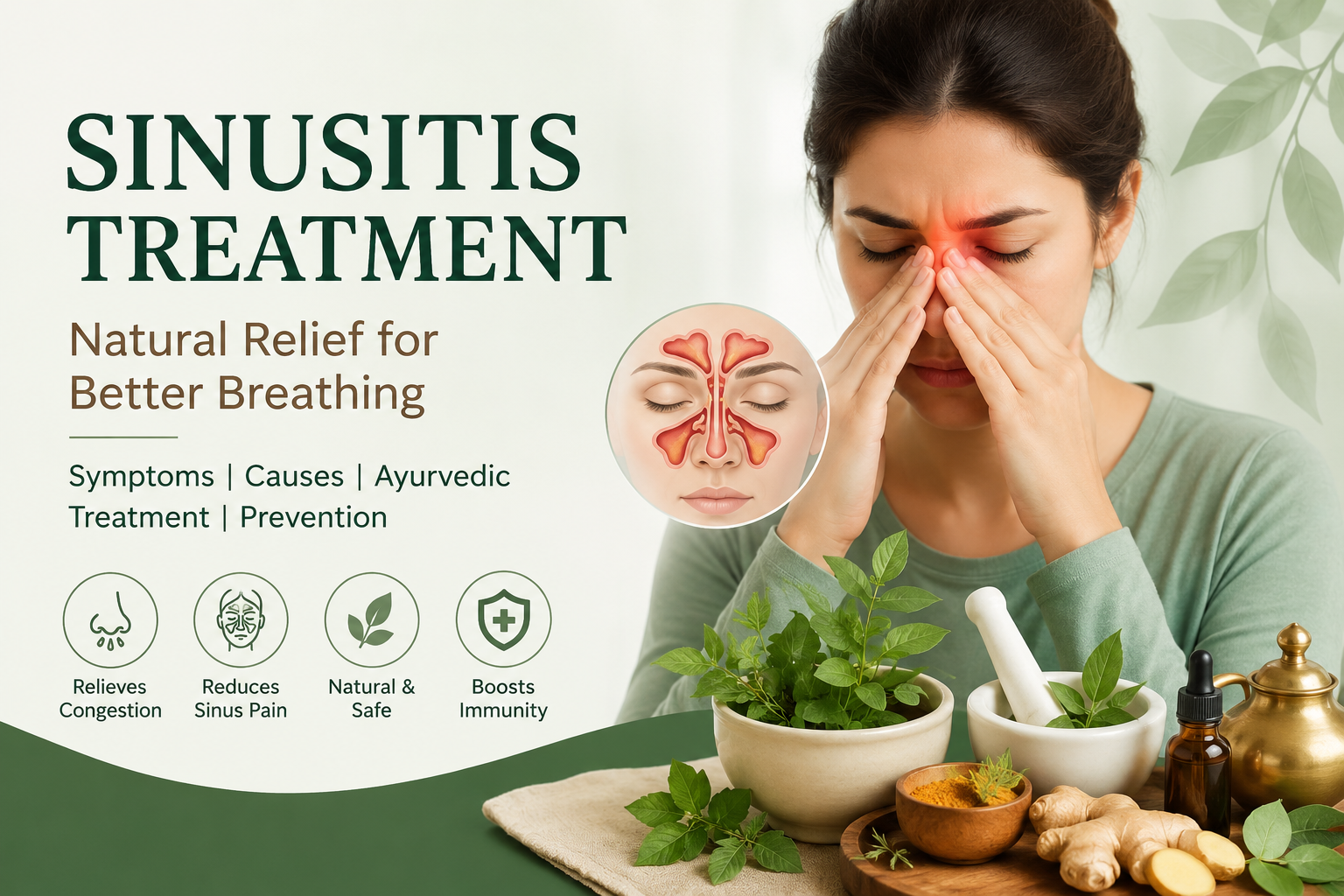
Sinusitis is one of the most common respiratory conditions affecting millions of people worldwide. It occurs when the tissues lining the sinuses become inflamed or swollen, leading to blocked nasal passages, facial pain, headaches, and difficulty breathing. While many people experience occasional sinus infections due to seasonal allergies or viral illnesses, chronic sinusitis can significantly affect daily life and overall well-being.
Modern medicine often relies on antibiotics, decongestants, and pain relievers to manage symptoms. However, many individuals seek holistic approaches that address the root cause rather than simply suppressing symptoms. Ayurveda, one of the world’s oldest healing systems, focuses on restoring balance within the body through natural therapies, herbal formulations, dietary modifications, and lifestyle practices.
If you’re searching for the best ayurvedic treatment in abu dhabi, understanding sinusitis and its management is the first step toward lasting relief.
What is Sinusitis?
Sinusitis refers to inflammation of the sinus cavities located around the nose, cheeks, forehead, and eyes. These air-filled spaces normally produce mucus that helps trap dust, bacteria, and allergens.
When the sinuses become inflamed, mucus cannot drain properly. This creates an environment where bacteria, viruses, or fungi may multiply, resulting in infection and discomfort.
Healthy sinuses allow smooth airflow and proper drainage. Inflamed sinuses become blocked, causing pressure and pain.
Types of Sinusitis
Acute Sinusitis
Acute sinusitis usually lasts less than four weeks and is often caused by viral infections such as the common cold.
Symptoms include:
- Nasal congestion
- Thick nasal discharge
- Facial pressure
- Mild fever
- Headache
Subacute Sinusitis
This type lasts between four and twelve weeks. Symptoms are similar to acute sinusitis but persist longer.
Chronic Sinusitis
Chronic sinusitis continues for more than twelve weeks despite treatment. It may result from allergies, nasal polyps, immune disorders, or recurring infections.
Common symptoms include:
- Persistent blocked nose
- Facial pain
- Reduced sense of smell
- Thick mucus
- Postnasal drip
- Chronic cough
Recurrent Sinusitis
Some individuals experience multiple episodes of sinus infections each year, often due to untreated allergies or structural issues within the nasal passages.
Causes of Sinusitis
Several factors can trigger sinus inflammation.
Viral Infections
The common cold remains the leading cause of acute sinusitis.
Bacterial Infections
If mucus remains trapped, bacteria can multiply and worsen inflammation.
Allergies
Seasonal allergies cause swelling in nasal tissues, preventing normal drainage.
Nasal Polyps
These soft tissue growths can block airflow and increase infection risk.
Deviated Nasal Septum
A crooked nasal septum may obstruct proper sinus drainage.
Environmental Irritants
Exposure to:
- Dust
- Smoke
- Pollution
- Chemical fumes
can irritate sinus tissues.
Weak Immune System
People with weakened immunity are more susceptible to chronic infections.
Symptoms of Sinusitis
Symptoms vary depending on severity and duration.
Common signs include:
- Facial pressure
- Forehead pain
- Cheek pain
- Toothache
- Nasal congestion
- Thick yellow or green mucus
- Headache
- Ear pressure
- Fatigue
- Bad breath
- Sore throat
- Cough
- Fever
- Loss of smell
- Reduced taste sensation
Children may also experience irritability, poor appetite, and disturbed sleep.
Risk Factors
Several conditions increase the likelihood of sinusitis:
- Allergic rhinitis
- Asthma
- Smoking
- Air pollution
- Frequent colds
- Nasal polyps
- Deviated septum
- Diabetes
- Immune disorders
How Sinusitis is Diagnosed
Doctors diagnose sinusitis using a combination of medical history and physical examination.
Diagnostic methods include:
Physical Examination
The physician checks for facial tenderness and nasal inflammation.
Nasal Endoscopy
A thin flexible tube allows direct visualization of nasal passages.
CT Scan
Imaging provides detailed information about blocked sinuses and structural abnormalities.
Allergy Testing
Helpful for identifying allergic triggers.
Nasal Culture
Samples help determine bacterial or fungal infections.
Conventional Treatment Options
Treatment depends on the underlying cause.
Common approaches include:
Saline Nasal Irrigation
Helps flush mucus and allergens.
Steam Inhalation
Moisture helps loosen thick mucus.
Pain Relievers
Used to reduce headache and facial discomfort.
Nasal Steroid Sprays
Reduce inflammation inside the nasal passages.
Antibiotics
Only recommended for confirmed bacterial infections.
Surgery
Severe chronic sinusitis may require functional endoscopic sinus surgery.
Ayurvedic Perspective on Sinusitis
According to Ayurveda, sinusitis resembles Peenasa, primarily involving an imbalance of Kapha and Vata doshas.
Excess Kapha leads to:
- Thick mucus
- Congestion
- Blocked nasal passages
Aggravated Vata contributes to:
- Pain
- Dryness
- Headaches
Ayurvedic management focuses on eliminating toxins (Ama), balancing doshas, improving digestion, and strengthening immunity.
Ayurvedic Therapies for Sinusitis
Nasya Therapy
Nasya involves administering medicated herbal oils into the nostrils.
Benefits include:
- Clears nasal passages
- Improves breathing
- Lubricates nasal tissues
- Reduces congestion
Steam Therapy
Herbal steam supports healthy mucus drainage and relieves nasal blockage.
Herbal Formulations
Traditional Ayurvedic herbs commonly used include:
- Tulsi
- Turmeric
- Ginger
- Yashtimadhu
- Trikatu
- Pippali
These herbs support respiratory health and natural immunity.
Detoxification
Ayurvedic cleansing therapies help remove accumulated toxins and restore balance.
Diet Recommendations for Sinusitis
Food significantly influences sinus health.
Foods to Eat
Choose:
- Warm soups
- Herbal teas
- Fresh vegetables
- Ginger
- Garlic
- Turmeric
- Black pepper
- Seasonal fruits
- Whole grains
Drink plenty of warm water throughout the day.
Foods to Avoid
Limit:
- Ice cream
- Cold beverages
- Processed foods
- Fried foods
- Excess dairy
- Sugary snacks
- Carbonated drinks
These foods may increase mucus production.
Lifestyle Tips
Simple lifestyle habits can reduce recurring sinus infections.
Stay Hydrated
Adequate hydration keeps mucus thin.
Humidify Indoor Air
Dry environments may worsen congestion.
Exercise Regularly
Physical activity supports circulation and immunity.
Sleep Well
Quality sleep strengthens immune function.
Avoid Smoking
Smoking irritates nasal tissues and delays healing.
Practice Breathing Exercises
Gentle breathing techniques help improve airflow.
Natural Home Remedies
Several home remedies may provide temporary relief.
Warm Compress
Applying a warm towel over the face helps relieve sinus pressure.
Steam Inhalation
Adding herbs like eucalyptus or mint may improve comfort.
Salt Water Gargling
Helps soothe throat irritation caused by postnasal drip.
Warm Herbal Drinks
Ginger and turmeric beverages provide soothing support.
Can Sinusitis Be Prevented?
Although not every case is preventable, healthy habits reduce the risk.
Preventive measures include:
- Wash hands regularly
- Treat allergies early
- Stay hydrated
- Avoid pollution
- Maintain indoor humidity
- Exercise regularly
- Eat immune-supporting foods
- Sleep adequately
- Avoid smoking
When to See a Doctor
Medical evaluation is important if you experience:
- Symptoms lasting more than ten days
- Severe facial pain
- High fever
- Vision changes
- Swelling around the eyes
- Persistent headaches
- Frequent sinus infections
- Difficulty breathing
Early diagnosis helps prevent complications.
Benefits of an Integrative Approach
Combining evidence-based medical care with Ayurvedic lifestyle principles may help individuals:
- Improve sinus drainage
- Reduce recurring infections
- Enhance immunity
- Minimize dependence on medications
- Support long-term respiratory wellness
- Improve overall quality of life
Conclusion
Sinusitis is a common condition that can range from a short-term inconvenience to a persistent health concern. Recognizing symptoms early, identifying underlying causes, and adopting healthy lifestyle habits are essential for effective management. While conventional treatments provide relief for many people, complementary approaches such as Ayurveda focus on restoring balance, improving immunity, and supporting long-term sinus health.
By combining proper medical guidance, a nutritious diet, stress management, and natural wellness practices, individuals can reduce the frequency of sinus infections and enjoy clearer breathing, improved energy, and a better quality of life. Always consult a qualified healthcare professional before beginning any new treatment plan, especially if symptoms are severe, recurrent, or long-lasting.