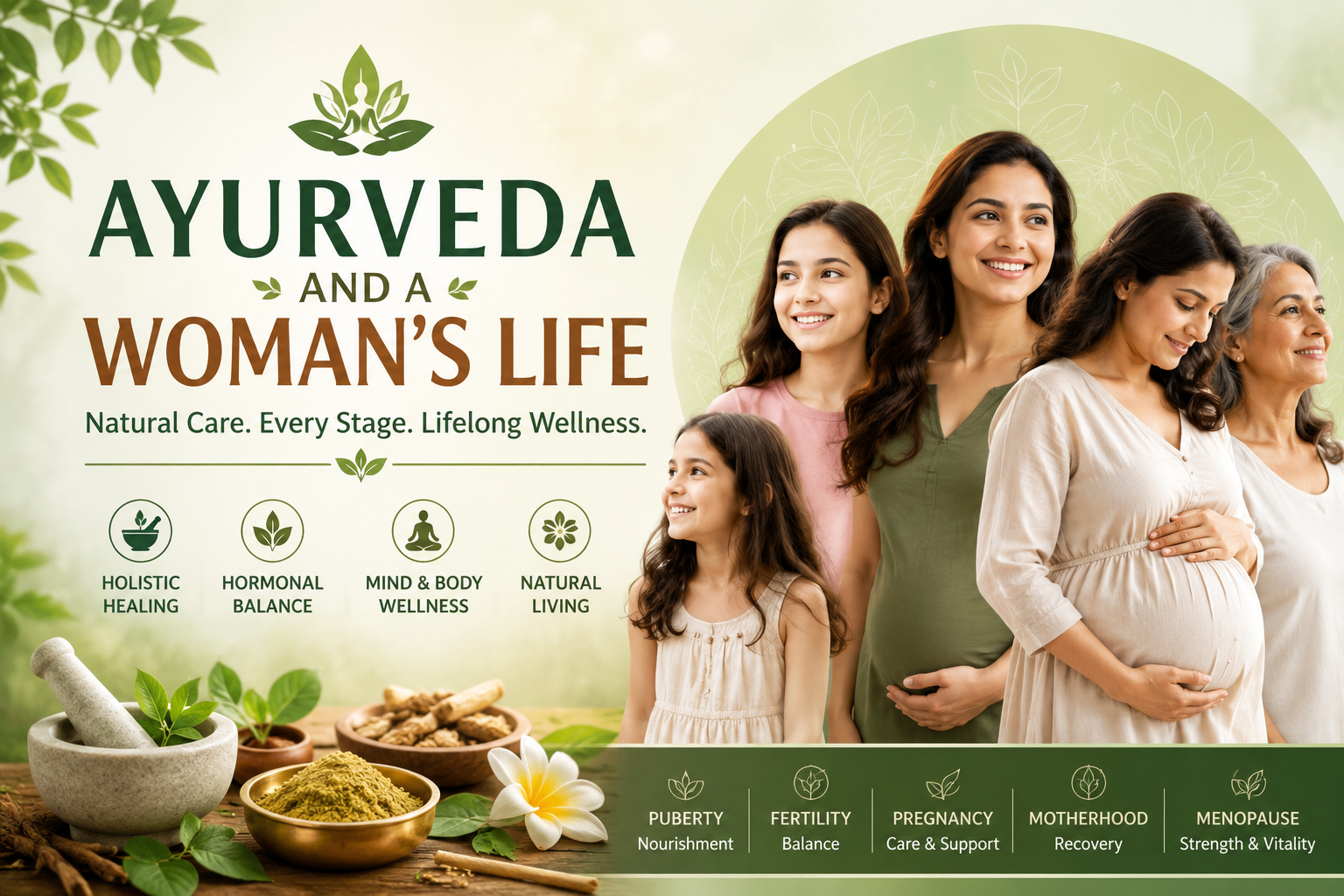
Women’s health is a journey that evolves continuously—from adolescence and reproductive years to pregnancy, motherhood, menopause, and graceful aging. Each phase brings unique physical, emotional, and hormonal changes. Ayurveda, one of the world’s oldest holistic healthcare systems, recognizes that every woman is unique and requires personalized care rather than a one-size-fits-all approach.
Instead of treating symptoms alone, Ayurveda focuses on maintaining harmony between the body, mind, and spirit. It emphasizes prevention, healthy routines, balanced nutrition, herbal support, detoxification when appropriate, and lifestyle practices that help women thrive throughout every stage of life.
Whether managing monthly cycles, preparing for pregnancy, recovering after childbirth, or navigating menopause, Ayurvedic wisdom offers practical tools that support overall wellness while encouraging long-term health.
Understanding Women’s Health in Ayurveda
Ayurveda considers women to possess remarkable adaptability and resilience, yet acknowledges that hormonal fluctuations make them particularly sensitive to lifestyle, nutrition, stress, and seasonal changes.
According to Ayurvedic philosophy, optimal health depends on balancing three biological energies known as Doshas:
- Vata
- Pitta
- Kapha
These govern every physiological and psychological function. When balanced, women experience regular cycles, healthy digestion, stable emotions, good sleep, strong immunity, and sustained energy. Imbalances may contribute to discomfort such as irregular periods, fatigue, digestive concerns, mood fluctuations, or reduced vitality.
Ayurveda encourages individualized care, recognizing that every woman’s constitution differs.
The Three Doshas and Female Well-being
Vata Dosha
Vata governs movement, circulation, the nervous system, menstruation, and emotional flexibility.
An aggravated Vata may contribute to:
- Irregular menstrual cycles
- Anxiety
- Insomnia
- Dry skin
- Constipation
- Low body weight
- Menstrual cramps
Balancing Vata typically involves warm meals, adequate rest, regular routines, oil massage, and calming practices.
Pitta Dosha
Pitta controls metabolism, hormones, digestion, and body temperature.
Excess Pitta may lead to:
- Heavy periods
- Irritability
- Acne
- Skin sensitivity
- Hot flashes
- Acid reflux
- Inflammation
Cooling foods, stress reduction, hydration, and appropriate lifestyle adjustments are often recommended to help maintain balance.
Kapha Dosha
Kapha provides structure, nourishment, stability, and reproductive strength.
When Kapha becomes excessive, women may experience:
- Weight gain
- Sluggish digestion
- Water retention
- Low motivation
- Oily skin
- Hormonal imbalance
Regular exercise, lighter meals, and stimulating daily habits can help support balance.
Ayurveda During Puberty
Puberty marks one of the most significant transitions in a woman’s life. Hormonal changes influence physical development, emotional well-being, and reproductive health.
Ayurveda encourages parents and young girls to develop healthy habits early, including:
- Nutritious home-cooked meals
- Adequate hydration
- Regular sleep
- Physical activity
- Stress management
- Seasonal eating
Developing these habits early lays a foundation for lifelong wellness.
Menstrual Health and Natural Balance
Menstruation is viewed in Ayurveda as a natural monthly cleansing process rather than an illness.
A healthy menstrual cycle generally reflects balanced hormones, proper digestion, and overall well-being.
Women may experience discomfort due to lifestyle factors such as:
- Chronic stress
- Poor diet
- Sleep deprivation
- Sedentary habits
- Digestive imbalance
Ayurvedic care focuses on supporting healthy routines, mindful nutrition, and personalized approaches that promote menstrual comfort and regularity.
Listening to the body’s signals and allowing adequate rest during menstruation can contribute to overall wellness.
Fertility and Reproductive Wellness
Ayurveda considers fertility a reflection of complete physical and emotional health rather than focusing solely on reproductive organs.
Preparation for conception often includes:
- Optimizing nutrition
- Supporting digestion
- Maintaining a healthy weight
- Reducing stress
- Encouraging restorative sleep
- Following individualized lifestyle guidance
Both partners are encouraged to adopt healthy habits before planning pregnancy.
A holistic approach can help create an environment that supports reproductive health while improving overall vitality.
Ayurveda During Pregnancy
Pregnancy is regarded as one of the most sacred stages of life.
Ayurvedic principles emphasize nurturing both mother and baby through balanced nutrition, emotional well-being, gentle movement, and adequate rest. Care should always be personalized and coordinated with qualified healthcare professionals.
General recommendations include:
- Fresh seasonal foods
- Proper hydration
- Gentle prenatal yoga when medically appropriate
- Meditation
- Positive emotional environment
- Regular medical checkups
Each trimester brings different nutritional and physical needs, making individualized guidance especially important.
Postpartum Recovery
The weeks following childbirth are considered a vital healing period.
Ayurveda recognizes that the mother’s body requires nourishment, warmth, rest, and emotional support to recover from pregnancy and delivery.
Postpartum care may include:
- Easily digestible meals
- Warm herbal beverages when appropriate
- Gentle abdominal support if advised
- Adequate sleep whenever possible
- Family support
- Gradual return to physical activity
Supporting maternal recovery also benefits the newborn through improved physical and emotional well-being.
Managing PCOS Naturally
Polycystic Ovary Syndrome (PCOS) is a complex hormonal condition that may involve irregular cycles, acne, weight changes, insulin resistance, or fertility challenges.
Ayurveda aims to improve overall health by addressing contributing lifestyle factors through:
- Balanced nutrition
- Weight management
- Physical activity
- Stress reduction
- Improved digestion
- Personalized herbal support under professional guidance
Because PCOS varies significantly among individuals, treatment plans should always be tailored to each person’s needs and coordinated with conventional medical care when appropriate.
Emotional Health Matters
Women’s emotional health is closely connected with hormonal balance.
Daily responsibilities, career pressures, caregiving, and lifestyle demands can increase stress levels.
Ayurveda encourages practices such as:
- Meditation
- Deep breathing
- Yoga
- Mindful eating
- Nature walks
- Digital detox
- Gratitude journaling
These habits can help promote emotional resilience and support overall well-being.
Menopause Through the Ayurvedic Lens
Menopause is a natural stage in every woman’s life, marking the end of the reproductive years. While it is a normal biological transition, many women experience physical and emotional changes that can affect their quality of life. Common symptoms include hot flashes, night sweats, mood changes, sleep disturbances, fatigue, joint stiffness, and reduced energy.
Ayurveda views menopause not as a disease but as a transformation that requires nourishment, balance, and self-care. The focus is on supporting the body through dietary choices, stress management, restorative sleep, and personalized wellness practices.
Women can navigate menopause more comfortably by maintaining consistent daily routines, eating wholesome foods, engaging in gentle exercise, and practicing relaxation techniques.
Daily Ayurvedic Routine (Dinacharya) for Women’s Wellness
One of Ayurveda’s greatest strengths is its emphasis on prevention. A healthy daily routine helps maintain hormonal balance, improve digestion, and support emotional well-being.
Wake Up Early
Beginning the day before sunrise encourages mental clarity, supports digestion, and aligns the body with natural circadian rhythms.
Drink Warm Water
A glass of warm water after waking may help stimulate digestion and support hydration.
Oil Massage (Abhyanga)
Applying warm oil to the body before bathing is a traditional Ayurvedic practice that may help nourish the skin, promote relaxation, and support circulation.
Gentle Exercise
Choose activities that suit your body and fitness level, such as:
- Walking
- Yoga
- Stretching
- Swimming
- Cycling
Regular movement contributes to physical strength, flexibility, and mental well-being.
Eat Fresh, Balanced Meals
Ayurveda encourages meals that include:
- Whole grains
- Seasonal vegetables
- Fresh fruits
- Healthy fats
- Plant-based proteins
- Adequate hydration
Limiting processed foods and excessive sugar may support long-term health.
Maintain Consistent Sleep
Quality sleep is essential for hormonal balance, immune function, and emotional resilience. Establishing a regular bedtime routine can improve sleep quality.
Best Foods for Women’s Health
Nutrition plays a central role in Ayurvedic wellness. A balanced diet provides the body with the nutrients needed to support every stage of a woman’s life.
Iron-Rich Foods
Iron supports healthy blood production and energy levels.
Examples include:
- Spinach
- Beetroot
- Lentils
- Dates
- Pumpkin seeds
Calcium Sources
Strong bones become increasingly important with age.
Good options include:
- Sesame seeds
- Almonds
- Dairy products (if tolerated)
- Leafy green vegetables
Healthy Fats
Healthy fats support hormone production and brain function.
Examples:
- Ghee (in moderation)
- Nuts
- Seeds
- Avocados
Protein Sources
Protein contributes to muscle maintenance and tissue repair.
Healthy sources include:
- Lentils
- Chickpeas
- Beans
- Dairy
- Tofu
- Lean proteins where appropriate
Fresh Seasonal Produce
Colorful fruits and vegetables provide antioxidants, vitamins, minerals, and fiber that support overall wellness.
Ayurvedic Herbs Traditionally Used for Women’s Wellness
Herbal preparations have been used in Ayurveda for centuries. However, herbs should always be taken under the guidance of a qualified Ayurvedic practitioner, especially during pregnancy, breastfeeding, or while taking medications.
Some commonly used herbs include:
Ashwagandha
Traditionally used to support stress management, energy, and overall vitality.
Shatavari
Widely recognized in Ayurveda as a herb that supports women’s reproductive health and overall nourishment.
Turmeric
Known for its antioxidant and anti-inflammatory properties, turmeric has long been incorporated into Ayurvedic wellness practices.
Amla
A rich source of vitamin C and antioxidants that supports immunity and overall health.
Triphala
Traditionally used to promote digestive health and regular bowel function.
The Role of Yoga and Meditation
Ayurveda and yoga complement each other beautifully.
Regular yoga practice may help:
- Improve flexibility
- Reduce stress
- Support posture
- Enhance circulation
- Promote better sleep
- Encourage emotional balance
Meditation and breathing exercises can further support mental clarity and emotional resilience.
Importance of Digestive Health
Ayurveda places great emphasis on digestion, often referring to it as the foundation of health.
Healthy digestion supports nutrient absorption, energy production, and immune function. Practical habits include:
- Eating at regular times
- Avoiding overeating
- Choosing freshly prepared meals
- Eating mindfully without distractions
- Staying hydrated throughout the day
Stress Management for Modern Women
Balancing work, family, relationships, and personal responsibilities can be challenging. Chronic stress may affect sleep, digestion, and emotional well-being.
Helpful stress-management strategies include:
- Spending time in nature
- Practicing mindfulness
- Reading
- Listening to calming music
- Journaling
- Limiting excessive screen time
- Maintaining supportive social connections
Small, consistent lifestyle changes often have a meaningful impact over time.
Preventive Healthcare Through Ayurveda
Ayurveda emphasizes prevention alongside treatment. Routine self-care can help women maintain vitality and address concerns early.
Key preventive practices include:
- Eating a balanced diet
- Staying physically active
- Maintaining a healthy weight
- Managing stress effectively
- Getting sufficient sleep
- Scheduling regular health check-ups
- Seeking professional guidance for persistent symptoms
A proactive approach supports overall wellness throughout every stage of life.
Conclusion
A woman’s health journey is unique, evolving through puberty, reproductive years, pregnancy, motherhood, menopause, and healthy aging. Ayurveda offers a holistic framework that emphasizes balance, mindful living, nourishing nutrition, and preventive care rather than focusing solely on symptoms.
By adopting healthy daily routines, eating wholesome foods, managing stress, staying physically active, and seeking personalized guidance, women can support their physical, emotional, and mental well-being throughout every stage of life.
If you’re looking for personalized Ayurvedic care tailored to your unique health needs, consulting a pure ayurvedic medical center abu dhabi can help you receive expert guidance, individualized wellness plans, and holistic support designed to promote long-term health and vitality.